
Is email marketing dead? As another year draws to a close and small businesses review their marketing plans, it is a fair question to ask. AI is changing the inbox, social platforms command plenty of attention, and familiar campaign metrics are becoming harder to trust.
The short answer is no. Email is still one of the most direct and practical ways to reach people who have chosen to hear from your business. But the campaigns that survive in 2027 need to be relevant and worth the reader's time.

Is email marketing dead? No way!
- Why does email marketing feel like it is dying?
- Why email still works for small businesses
- How to keep your email marketing relevant in 2027
- What is Mail Designer 365?
- So, is email marketing dead?
Why does email marketing feel like it is dying?
Email has not died, but it has become harder to do lazily. Inboxes are crowded, and recipients have subconsciously learned to make decisions quickly. A vague subject line, unfamiliar sender, or yet another generic discount are all easily overlooked. At the same time, inbox providers are getting better at filtering unwanted mail. This protects recipients, but it also means legitimate senders need a reliable technical setup and a healthy relationship with their audience.
Measurement has also changed. Apple Mail Privacy Protection can register an open without confirming that a person read the message. Corporate security tools and link scanners may also open or click links automatically. A rising open rate or a sudden click is no longer proof of genuine interest on its own.
What role does AI play?
AI adds another layer. It can help marketers draft, translate, and organize campaigns more efficiently. It can also produce a flood of polished but interchangeable content. On the recipient side, AI-powered inbox features can summarize messages before someone opens them. The first few words, the structure of the email, and the clarity of the offer therefore matter more, not less.
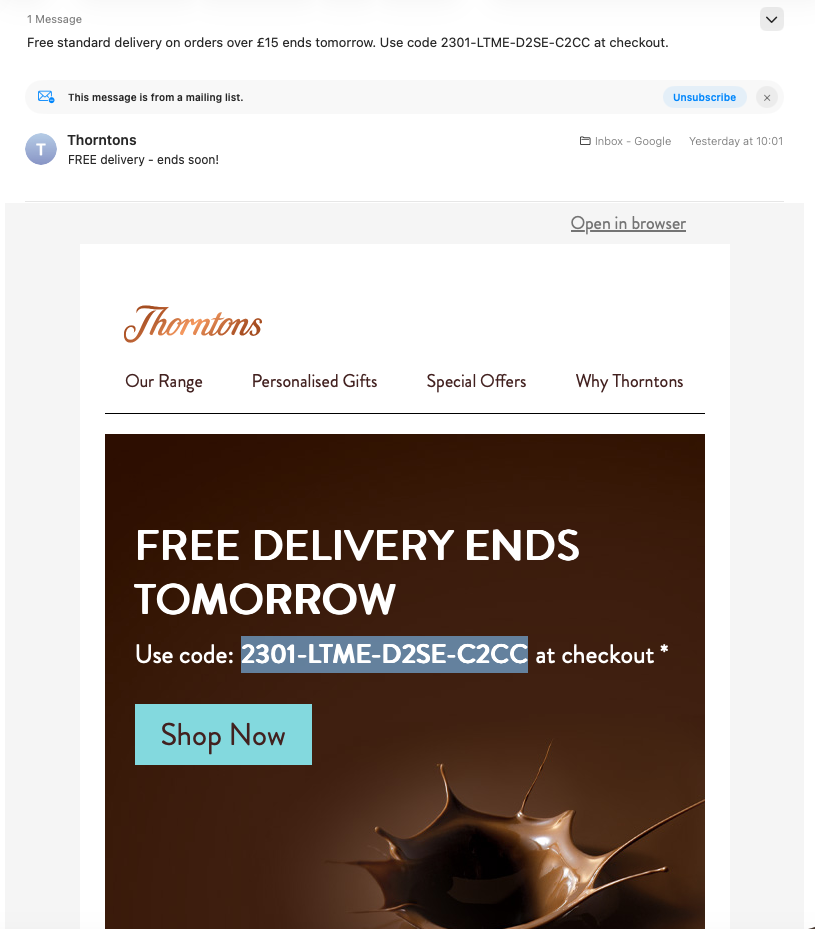
AI email summary in action
Is social media better for marketing than email?
Social media can look more alive because reactions are public and immediate. Yet visibility on social platforms is controlled by algorithms, formats, advertising prices, and policies that a small business cannot influence. A large following does not guarantee that a particular post will reach the people who chose to follow you.
Why email is best for small businesses
Channel ownership
Email gives you something social media cannot: a direct relationship with an audience you can take with you. Your contact list is not tied to a single feed or content format. You decide what to send, when to send it, and which audience should receive it.
That control is especially valuable for a smaller business. You do not need a large content team or a daily publishing schedule. A useful monthly newsletter, a thoughtful event invitation, or a timely follow-up can keep your business present without the constant production pressure of social media.
Low barrier to entry
Email also has a low barrier to entry. Once the essentials are in place, the same branded layout can be reused and adapted. Campaigns can be targeted to existing customers, new subscribers, local clients, event attendees, or people interested in a particular service. This makes it possible to send fewer, more relevant messages instead of paying to show the same post to a broad audience.
High ROI, still
The 2026 data still points to a channel with substantial commercial value. Omnisend's 2026 ecommerce report, based on 27 billion emails from 150,000 brands, found that automated messages accounted for just 2% of sends but generated 30% of email revenue. The figures are ecommerce-specific, but the lesson applies more broadly: a timely message connected to a real customer need can be far more useful than another mass promotion.
More useful metrics
Email reporting is not perfect, but it can still connect campaigns to useful business outcomes. Website visits, downloads, registrations, bookings, replies, purchases, and individual link clicks can all show what readers did next. That is often more actionable than a public like or impression.
How to keep your email marketing relevant in 2027
Give people a reason to hear from you
If every email asks for a sale, readers quickly learn to ignore you until they want a discount. Make room for the material only your business can provide: practical advice, a founder's perspective, a customer story, a behind-the-scenes update, an invitation, a useful reminder, or a careful recommendation.
A restaurant could share the story behind a seasonal dish. A consultant could answer a common client question. A shop could explain how to choose between two products rather than simply announcing that both are on sale. These ideas build familiarity and give future promotions more context.
If the idea is clear but time or design capacity is limited, you do not have to tackle the entire campaign alone. Mail Designer's professional email design service offers fixed-price design, setup, and campaign support for small businesses that need an expert hand.
Don't underestimate the power of human interaction
The personal touch that makes social media so appealing can work just as well in email. Give subscribers opportunities to connect with you beyond their inbox: invite them to a one-to-one consultation, webinar, competition, workshop, in-store event, or local meet-up.
In a world increasingly shaped by chatbots and automated interactions, a chance to connect with the person behind a brand can be refreshing. We've seen this firsthand: this year, our more personalised email campaigns have performed much better than traditional newsletters or sales campaigns, creating more opportunities to connect with our community.
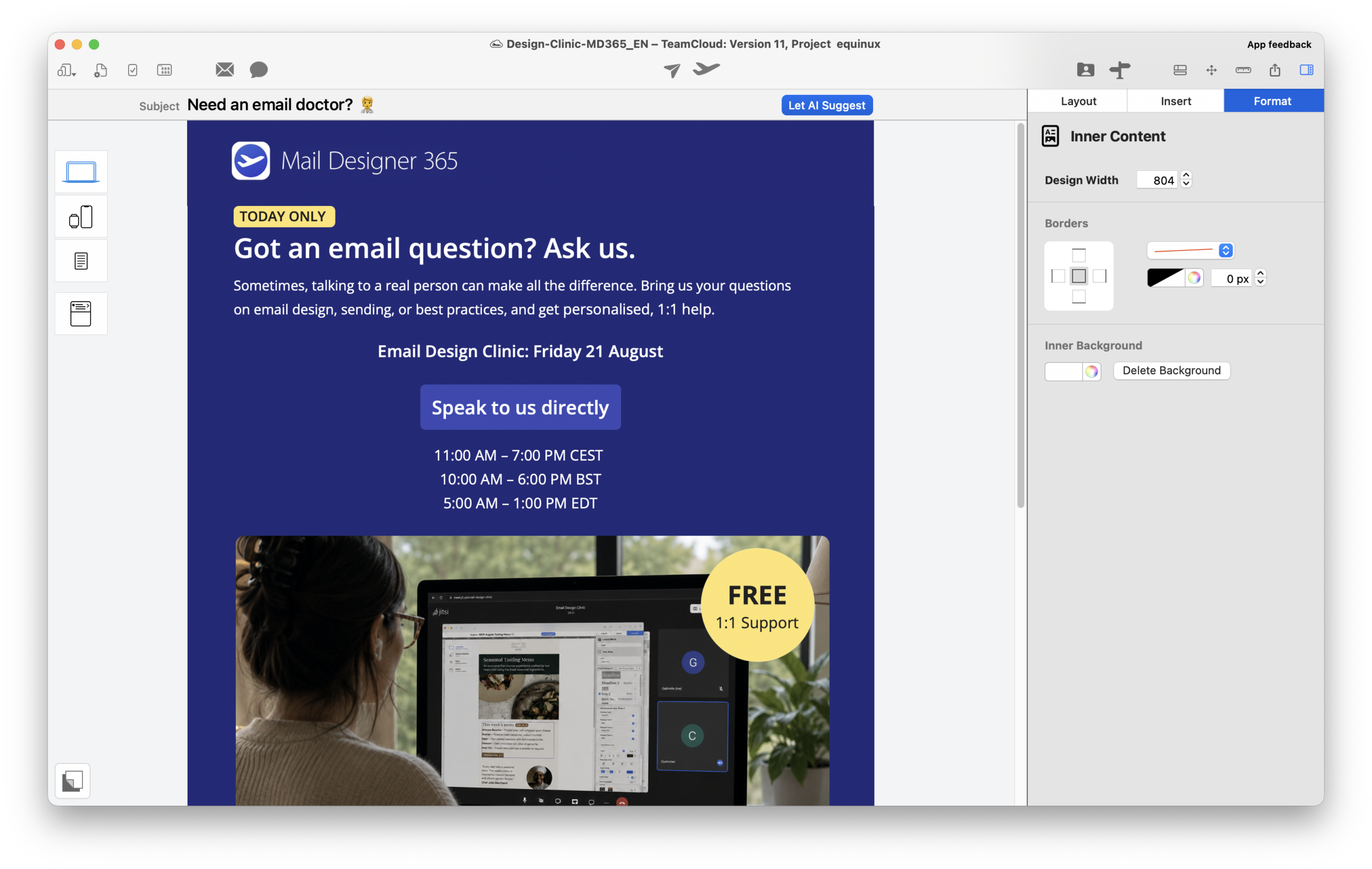
Recent personal email campaigns from our team have performed surprisingly well
Make accessibility part of the design
An accessible email is easier for more people to use and easier for inbox tools to understand. Put essential information in real, selectable text rather than baking it into an image. Use a logical heading order, clear link text, sufficient contrast, and descriptive alt text for images that carry meaning.
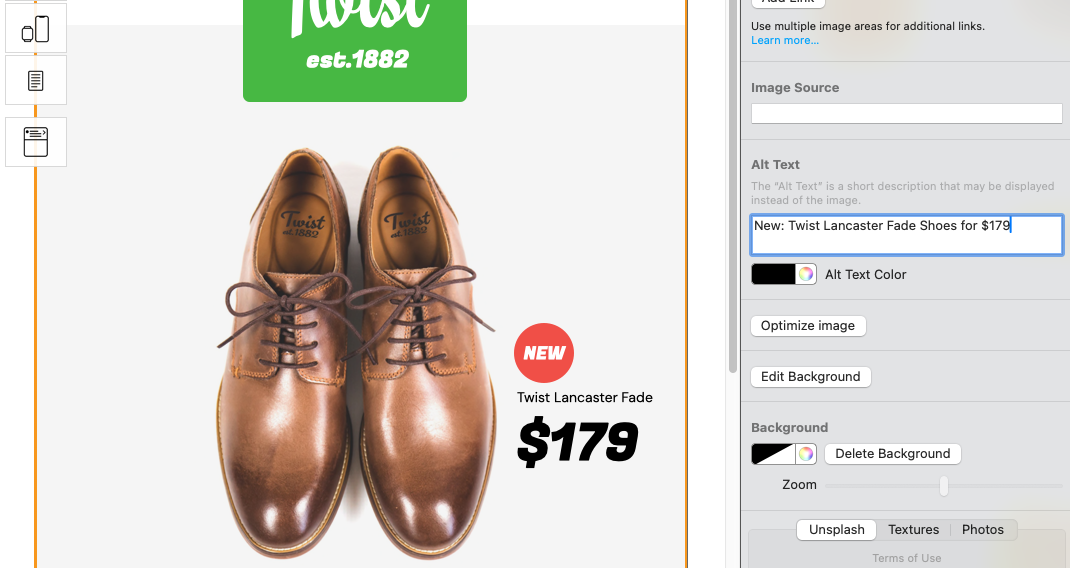
Alt text makes your design much more accessible and increases your relevance
Real text also adapts better when recipients increase the font size, block images, use a screen reader, or view a summary generated by an inbox assistant. Accessibility is first and foremost about people. Better structure and machine readability are useful additional benefits.
Protect your place in the inbox
Good content cannot perform if it never reaches the inbox. Send only to people who asked to hear from you, remove invalid addresses, make unsubscribing straightforward, and use a recognizable sender. Configure SPF, DKIM, and DMARC for your sending domain, and increase volume gradually when using a new domain or returning to an old list.
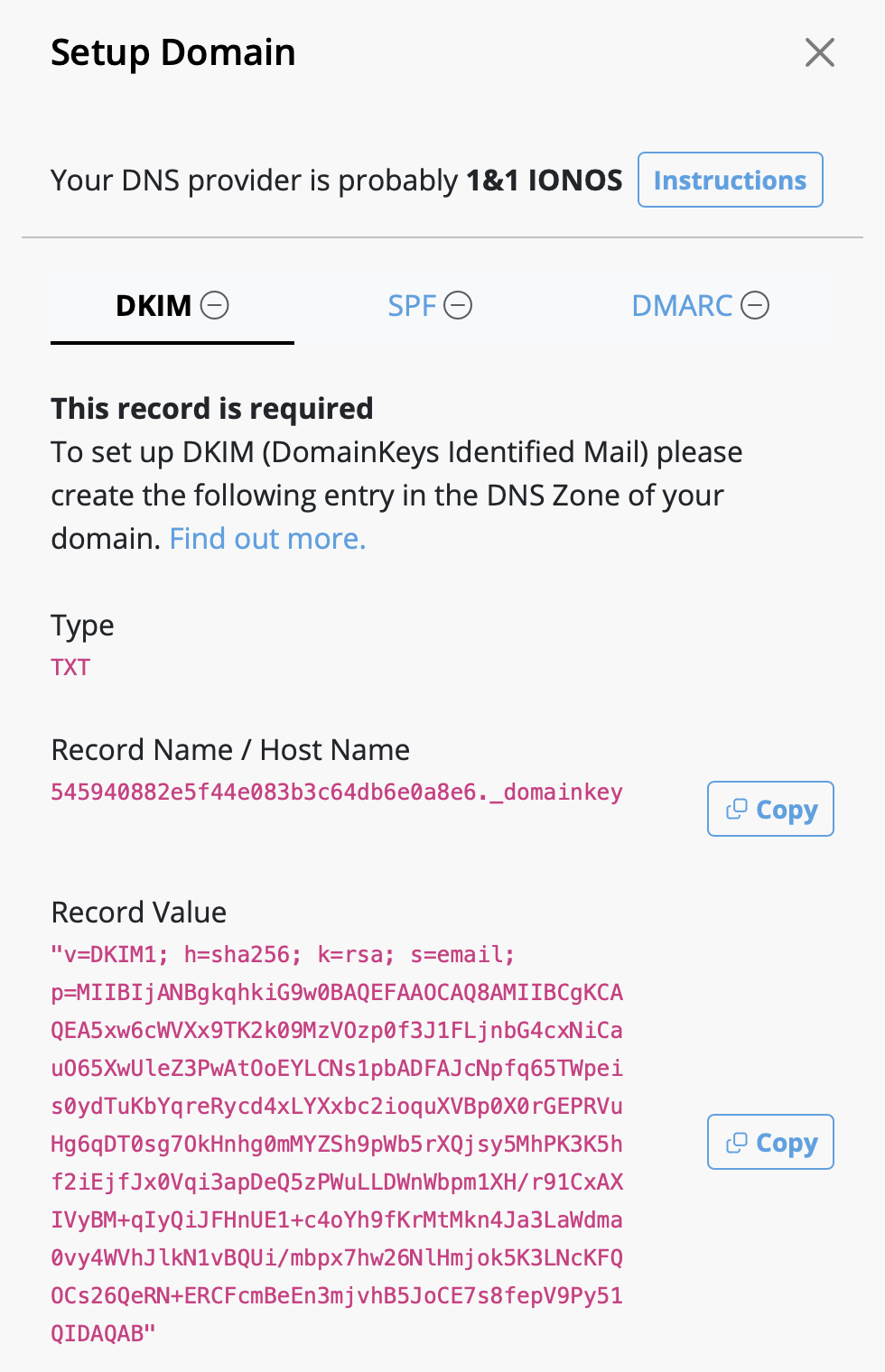
Domain verification is a must-have going forward into 2027
Before each campaign, test the subject line, preview text, links, personalization, mobile layout, dark mode appearance, and unsubscribe flow. Our guide to stopping emails from going to spam explains these steps in more detail.
Send regularly enough to be remembered
A random sales blast every few months can feel like a message from a stranger. A steady rhythm helps subscribers remember who you are and why they signed up. Regular does not have to mean weekly. A useful email every two weeks or once a month is better than an ambitious schedule that your team cannot maintain.
Choose a few repeatable formats and plan them around real moments in your business. A monthly update, event invitation, customer question, seasonal recommendation, or short expert note can make planning easier. For more ideas, read our guide to building a consistent email schedule.
Segment by relevance, not just demographics
Your whole list does not need every message. A customer who bought last month has different needs from someone who has only downloaded a guide. A local event is useful to nearby subscribers but noise to everyone else.
Start with information you can genuinely use: interests selected at sign-up, location, language, customer status, previous purchases, event attendance, or recent engagement. Mail Designer Campaigns lets you store contact attributes and create audiences from them, so each campaign can go to the people for whom it makes sense. You can also split audiences for a simple A/B test when you want to compare one meaningful change.
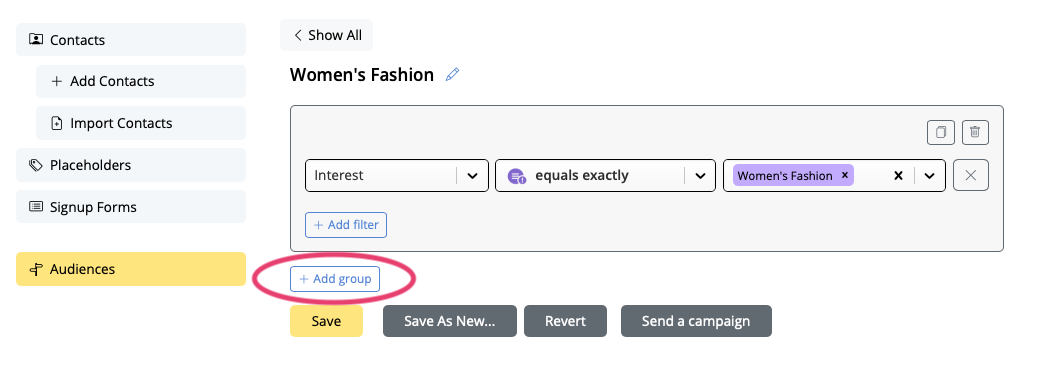
Use segmentation tools, like those provided in Mail Designer 365, for more relevant campaigns
Measure the action that matters
In 2027, metrics alone won't cut it. MailerLite's 2026 benchmark report analyzed 3.6 million campaigns and reported a median open rate of 43.46% and a click rate of 2.09%. However, the report also warns that Apple Mail Privacy Protection inflates recorded opens. Benchmarks can provide context, but they should not become the goal.
Begin with the purpose of the email. If you invited people to a webinar, registrations matter. If you announced a service, look at qualified inquiries. For an online shop, consider conversion rate, revenue per recipient, and repeat purchases. Replies, downloads, bookings, website behavior, unsubscribes, and spam complaints can also reveal whether a campaign was useful.
Even clicks need context because security scanners can activate links. Look for patterns over time and compare them with the actions recorded on your website or booking system. Mail Designer's campaign performance reports and detailed link report show which parts of an email attracted attention, helping you improve the topic, layout, and call to action in the next send.
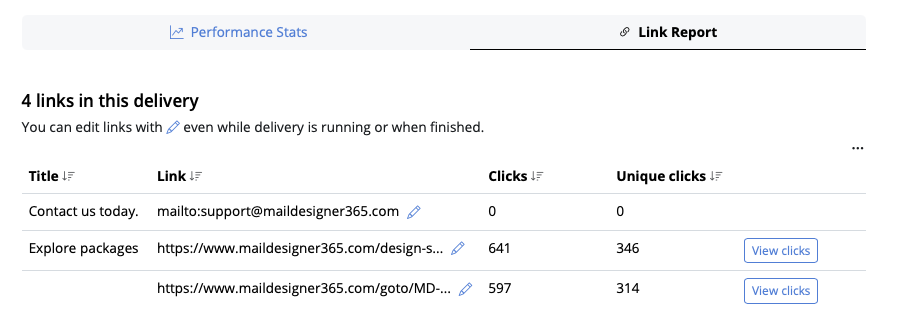
See exactly which parts of your newsletter captured the attention of your audience
What is Mail Designer 365?
Mail Designer 365 is a Mac app for creating professional, responsive email campaigns without writing HTML. Its visual editor, reusable layouts, mobile previews, and ready-made design ideas help small teams move from an idea to a polished campaign without switching between several design tools.
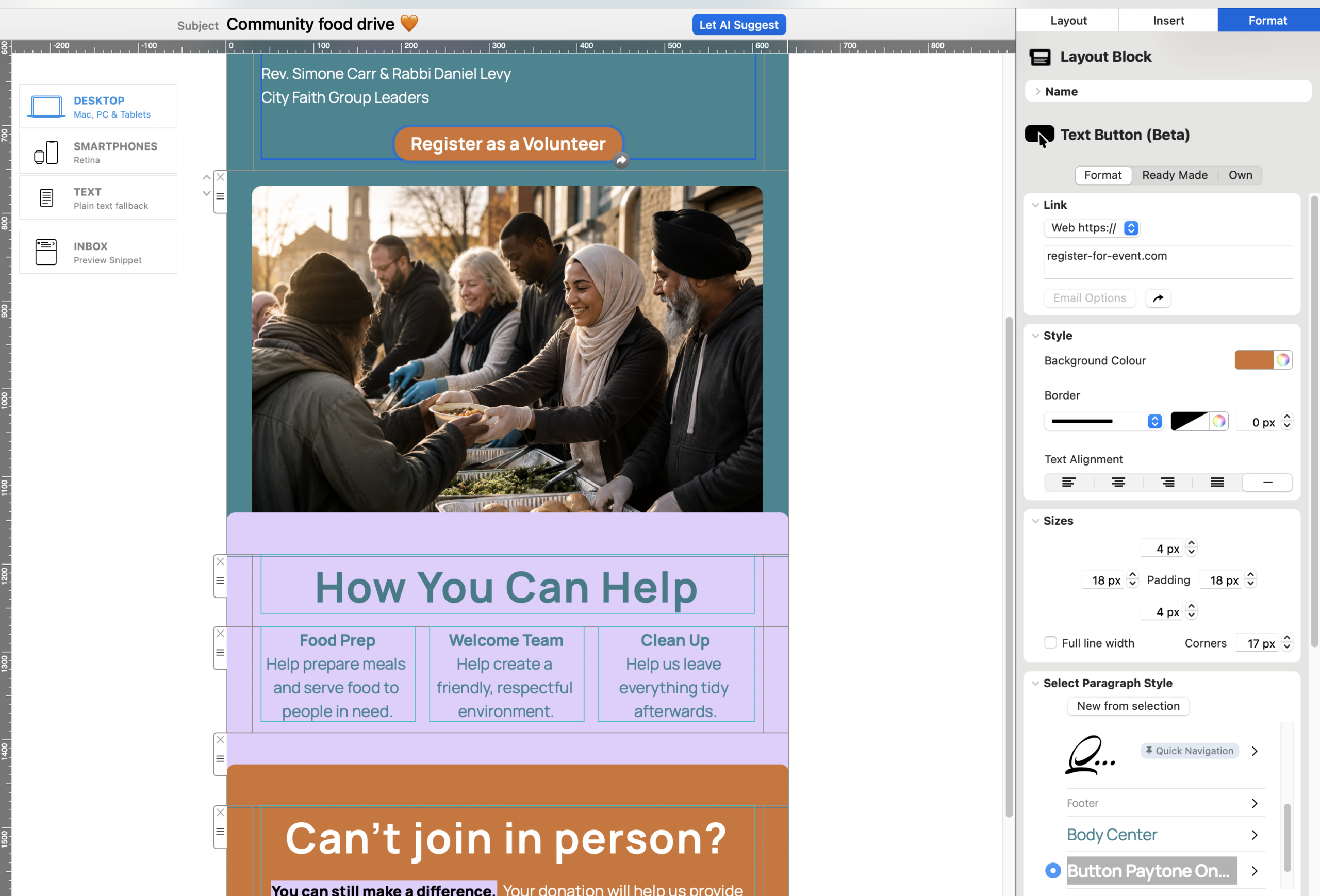
Stay in touch with your community in 2027
Mail Designer Campaigns adds contact management, custom audiences, scheduled sending, and detailed performance reports. You can keep the workflow simple at first, then introduce segmentation, tests, and more advanced reporting as your email program grows.
Download Mail Designer 365 and start planning your next campaign.
So, is email marketing dead?
No. Email marketing is not dead, but generic messages, neglected lists, and campaigns built around a single unreliable metric are losing their value.
For a small business, email remains a manageable way to build an audience you control, communicate directly, and learn what motivates customers to act. Give each campaign a useful purpose, send it to the right people, and measure what happens beyond the open. That is how email stays relevant in 2027.